Individual Product Review
Weigh the pros and cons before you buy.

Introduction to Home Gyms
In recent years, the concept of home gyms has gained significant traction, largely propelled by changing lifestyles and global events that have reshaped our approach to fitness. The growing recognition of the importance of physical well-being has led many individuals to explore home fitness solutions as convenient alternatives to traditional gyms. The desire for healthy living, combined with the need for safety during uncertain times, has prompted an increase in the establishment of personal workout spaces within homes.
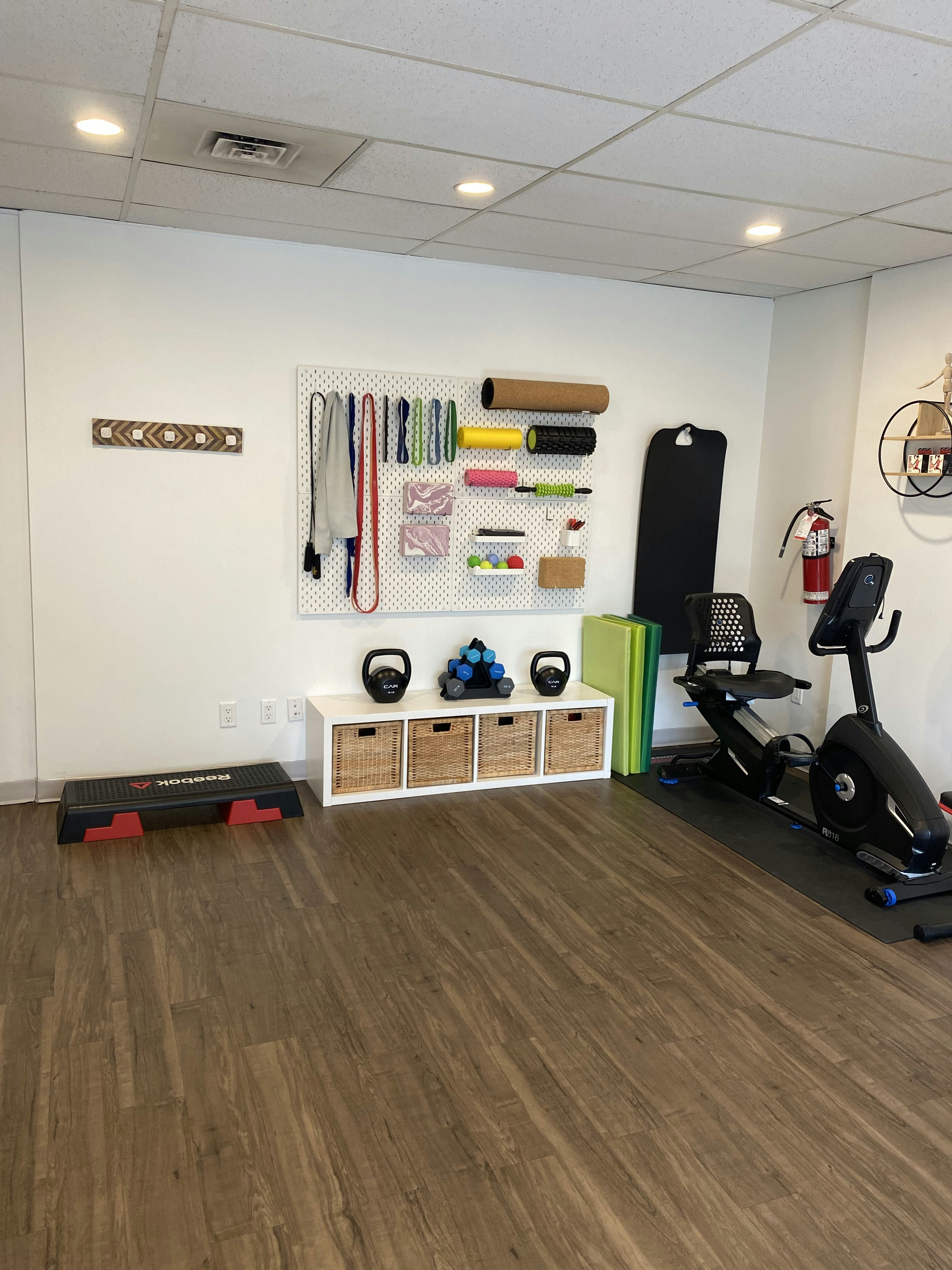
Home gyms offer numerous benefits, most notably convenience and flexibility. The ability to work out at any time of day without the constraints of gym hours is highly appealing to many. This adaptability allows individuals to tailor their fitness routines based on personal schedules, making it easier to incorporate exercise into daily life. Moreover, with home gyms, users are free from the distractions and potential discomforts that can occur in a public gym setting, such as crowding or waiting for equipment.
Another advantage of having a home gym is the full control over workout environments. Individuals can design their space according to their preferences, selecting specific equipment that meets their fitness goals, such as weights, resistance bands, or cardio machines. Furthermore, the absence of membership fees contributes to long-term financial savings, as these costs can accumulate over time in conventional gym settings.
However, it is also essential to consider that creating an effective home gym requires a thoughtful approach regarding space allocation, equipment selection, and motivation. A well-planned home gym can be an invaluable asset to one’s fitness journey, potentially leading to sustainable health benefits and a consistent exercise regimen.
Pros of Having a Home Gym
Establishing a home gym presents a myriad of advantages that can significantly enhance an individual’s fitness journey. One of the primary benefits is cost-effectiveness. Although the initial investment in gym equipment may seem substantial, over time, it can lead to considerable savings compared to ongoing gym membership fees. For instance, a monthly membership can accumulate to thousands of dollars over years, while a one-time payment for equipment can provide lifelong access to fitness at home.
Convenience is another paramount aspect of having a home gym. With the ability to workout at any hour of the day, individuals can easily integrate exercise into their daily routines without the constraints of gym hours or commuting times. This flexibility eliminates the hurdle of traveling and saves valuable time that could be better spent on family or work initiatives.
Moreover, a home gym offers privacy that a public gym cannot. Individuals who may feel self-conscious about their fitness levels or appearance can exercise comfortably within the confines of their residences. This element of privacy can empower users to try new workouts or engage in elaborate routines without the fear of judgment.
Another significant advantage lies in the customization of equipment. A home gym allows individuals to select the equipment that best meets their personal fitness goals. For example, someone focused on strength training can equip their gym with weights and resistance machines, while a cardio enthusiast may prioritize treadmills and stationary bikes. This tailored environment can enhance motivation and adherence to fitness regimens.
Lastly, the comfort of home cannot be overstated. The familiarity and ease of being in one’s personal space can promote a more relaxed workout atmosphere. Many real-life testimonials highlight how individuals have experienced improved mental well-being and consistent exercise habits after establishing a home gym, underscoring its numerous advantages.
Cons of Having a Home Gym
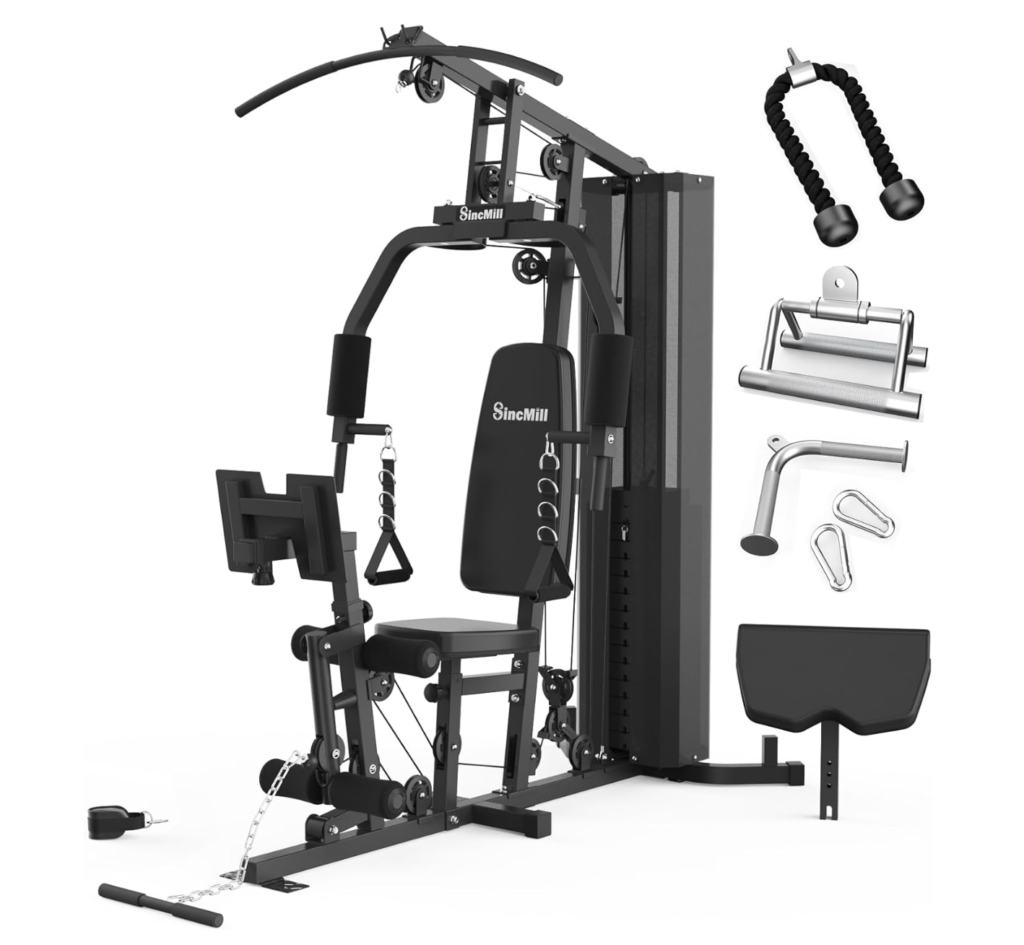
While the concept of a home gym is appealing for many fitness enthusiasts, there are several drawbacks to consider before making such an investment. The initial cost of purchasing gym equipment can be substantial. Depending on the type of equipment, which may include weights, resistance machines, or cardio devices, individuals may find themselves spending a considerable amount of money upfront. Unlike a gym membership that spreads costs over time, a home gym requires a significant one-time expense, which may remain a financial burden if the equipment is not utilized consistently.
Another potential issue is underutilization. Many individuals who set up home gyms find that motivation levels fluctuate, leading to infrequent use of the expensive equipment they purchased. It is easy to lose focus or be sidetracked by daily distractions within the home environment, reducing the overall effectiveness of a personalized workout space. Without a structured routine, the home gym can become more of a decorative storage area than an active fitness solution.
Furthermore, the absence of professional supervision poses a risk to home gym users. Without trained instructors or personal trainers, individuals may not execute exercises correctly, potentially leading to injuries. For those new to fitness or exercising with unfamiliar equipment, the lack of guidance can hinder progress and even create detrimental health consequences. In addition to safety concerns, exercising at home can be affected by various distractions, such as family members or household tasks, detracting from the focused workout experience found in a commercial gym.
Lastly, space constraints can limit the effectiveness and potential of a home gym. Not everyone has the available space to accommodate substantial equipment or a variety of machines. In many cases, this can force individuals to compromise on their fitness goals, as they cannot access all the necessary tools to achieve a comprehensive workout regimen.
Things to Know Before You Buy Equipment
Investing in a home gym necessitates careful consideration across several aspects to ensure that the chosen equipment aligns with both your personal fitness needs and your living environment. One of the first steps to take is to assess the available space within your home. Space limitations can dictate the type and quantity of equipment you can purchase. Consider not only the area for the equipment itself but also the additional space needed for safe movement during workouts.
Budgeting is another critical element that requires attention. The costs associated with various fitness machines, weights, and accessories can vary significantly. Establish a clear budget that considers not only the purchase of equipment but also potential maintenance costs and space modifications if necessary. Be on the lookout for equipment that offers the best value—durability and multi-functionality should be prioritized to maximize your investment.
Understanding your personal fitness goals is crucial in guiding your equipment selection. Are you aiming for strength training, flexibility, cardio, or a combination? Your goals will determine the types of equipment you need. For instance, if your primary focus is strength training, consider investing in a set of weights or a multi-gym setup. On the other hand, if the aim is to enhance cardiovascular fitness, machines such as treadmills or stationary bikes may be more appropriate.
Another consideration is the selection of versatile equipment. Opt for items that can serve multiple functions to save space and money. For example, adjustable dumbbells or resistance bands can provide a comprehensive workout experience without overwhelming your home gym. Lastly, seeking professional advice can be beneficial, especially for novices. A fitness consultant can help tailor equipment choices to your specific needs, ensuring that your purchase supports and enhances your fitness journey.

Essential Equipment for a Home Gym
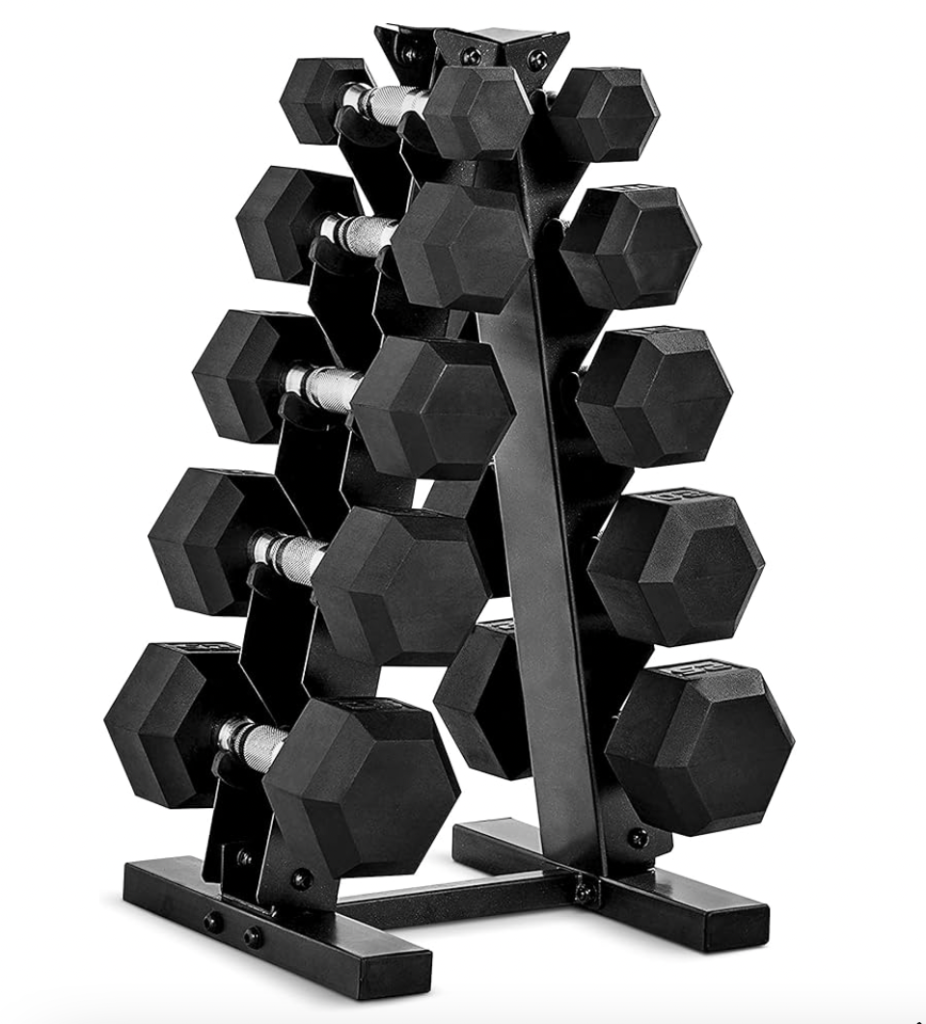
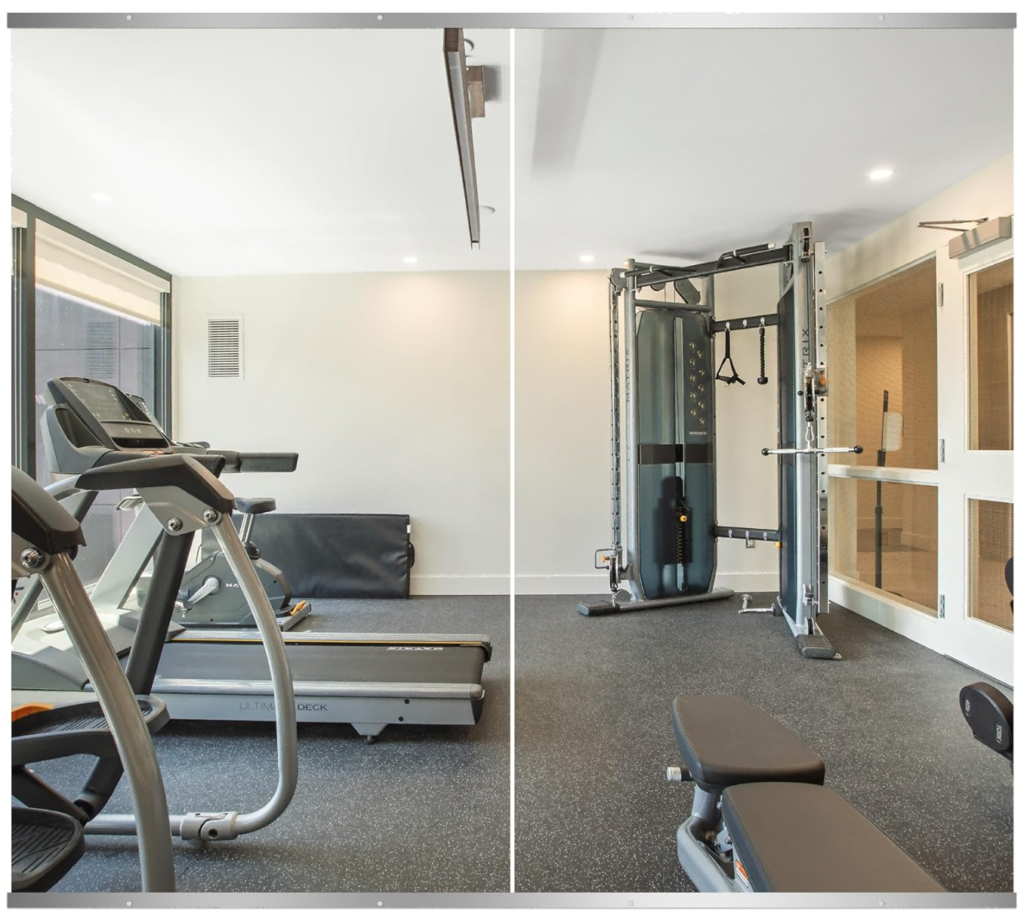
Establishing an effective home gym requires thoughtful consideration of the equipment that aligns with your fitness goals. The right selection of tools is crucial in ensuring a balanced and comprehensive workout experience. To begin with, dumbbells are one of the most versatile pieces of equipment that can assist in strength training. They come in various weights, making them suitable for beginners and advanced users alike. Dumbbells facilitate a range of exercises targeting different muscle groups, enhancing overall strength and muscle tone.
Alongside dumbbells, resistance bands are an excellent addition to any home gym. These bands offer varied resistance levels, making them useful for all fitness levels. They are particularly effective for bodyweight exercises, adding extra resistance to routines such as squats and lunges. Resistance bands also enhance flexibility and can be easily stored, thus optimizing space in your home gym.
For those looking to incorporate cardiovascular workouts, cardio machines, such as treadmills or stationary bikes, play a vital role in any home gym setup. These machines allow users to engage in low-impact exercises, suitable for improving heart health and endurance. When choosing a cardio machine, consider the available space and your personal fitness objectives; select one that you are most likely to use consistently.
Finally, multifunctional home gym systems can maximize workout efficiency, providing various exercise options in one compact unit. Such systems often include integrated cables, weights, and benches, facilitating a full-bodied workout. In summary, prioritizing these essential pieces of equipment will significantly enhance your home gym experience, allowing you to work towards your fitness goals effectively.
Creating an Effective Home Gym Space
Designing an effective home gym space involves careful consideration of various factors that can greatly influence your workout experience. First and foremost, choosing the right location is crucial. Ideally, select a space that is both accessible and allows for sufficient movement. Common choices include spare rooms, basements, or even garages. Ensure the area is free from distractions, enabling you to focus on your fitness goals.
Lighting and ventilation are additional key elements that contribute to a successful home gym. Natural light can boost your mood and motivation, so consider a location with windows. If natural light is scarce, installing bright overhead lights can help create an energizing atmosphere. Furthermore, proper ventilation is essential; working out in a stuffy environment can be counterproductive. Consider integrating fans or an air conditioning unit to maintain comfortable airflow.
Creating a motivating environment is also important when setting up your home gym. Decorate the space with items that inspire you, such as motivational quotes, vision boards, or images of fitness icons. Personalizing your gym with colors and elements that resonate with you can enhance your desire to workout. Additionally, consider playing motivational music to elevate your energy levels during workouts.
Finally, minimizing clutter will significantly improve your home gym experience. Keep your equipment organized with the use of racks or storage solutions, ensuring that everything has its place. This not only makes it easier to access gear but also fosters a sense of neatness that can positively affect your mindset. By taking these elements into account, you can create a dedicated home gym space that promotes regular exercise and helps you achieve your fitness aspirations.
Tips and Tricks for Working Out at Home
Establishing an effective home workout routine requires commitment and strategic planning. One of the first steps is to create a dedicated workout schedule. By setting specific days and times for your workouts, you can treat them as unmissable appointments. This consistency helps in forming a habit, ultimately making it easier to stick to your fitness goals.
In addition to scheduling, leveraging digital resources such as online fitness classes and workout tutorials can significantly enhance your home workout experience. Numerous platforms offer extensive video libraries where you can explore various workout styles, from yoga to high-intensity interval training (HIIT). Engaging with these online classes not only provides structure but also allows you to connect with a community of fitness enthusiasts, fostering motivation.
Another strategy to maintain interest in your workouts is to incorporate a variety of exercises. Mixing up your routines with different types of workouts can prevent boredom and target various muscle groups. For example, you could alternate between strength training, cardio, and flexibility exercises throughout the week. This diversity not only keeps the workouts enjoyable but also promotes overall fitness by addressing different aspects of health.
Utilizing fitness apps can further enhance your home workout journey. These applications sometimes offer workout plans, progress tracking, and motivational features, which can be invaluable in keeping you accountable. Additionally, many fitness apps come equipped with a community function, where you can share your achievements and find support from like-minded individuals.
Lastly, consider investing in simple yet versatile equipment like resistance bands, dumbbells, or a yoga mat. These tools can significantly expand the types of exercises you can perform, providing greater scope for your workouts. By effectively organizing your home gym environment and actively engaging with these various resources, you’ll develop a sustainable and enjoyable fitness routine at home.